

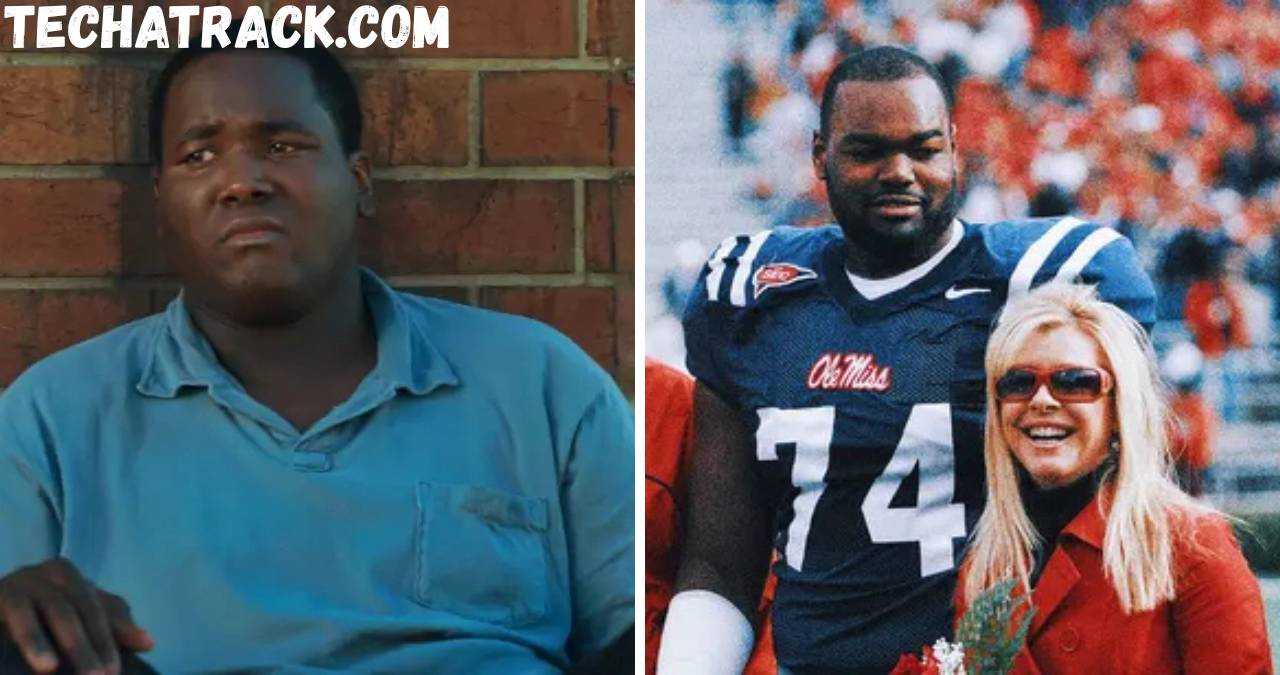
Denise Oher is widely known as the biological mother of former NFL player Michael Oher, whose life story gained global attention through sports media and Hollywood adaptation. Her name often appears in discussions about poverty, family struggles, and the complex realities behind success stories in professional sports. While much of the public focus has centered on Michael Oher’s rise to fame, Denise Oher’s life represents the difficult circumstances that shaped his early childhood. Understanding her background provides important context to a story that is often simplified in popular culture. The narrative surrounding her is deeply tied to themes of hardship, survival, and systemic challenges faced by many families living in poverty.
In public discussions about Denise Oher biography, she is frequently portrayed through the lens of her son’s success rather than her own life experiences. However, her role in Michael Oher’s early years is significant because it reflects the unstable environment in which he was raised. Reports and portrayals suggest that Denise Oher faced serious socioeconomic struggles, which impacted her ability to provide consistent care for her children. These challenges are essential to understanding the broader story of the Oher family. Her life is not just a background detail but a key element in the larger narrative of resilience, struggle, and the complexities of family bonds under pressure.
Early Life and Background of Denise Oher: Challenges and Circumstances
The early life of Denise Oher is closely associated with hardship, instability, and limited access to resources, which are common themes in discussions about Michael Oher mother Denise Oher. She lived in conditions marked by poverty and systemic disadvantages that affected her ability to maintain a stable household. These challenges were not unique to her family but reflected broader social and economic issues faced by many individuals in similar environments. Lack of financial stability, limited educational opportunities, and exposure to difficult living conditions contributed to the struggles she experienced while raising her children.
Denise Oher’s background is often discussed in relation to the environment in which Michael Oher grew up. Reports suggest that the household faced frequent disruptions, which made it difficult to create a consistent and supportive upbringing. These circumstances led to involvement from social services and eventually contributed to Michael Oher spending time in foster care and different living arrangements. While public narratives often focus on outcomes, the underlying reality is a story of systemic hardship rather than individual failure alone. Understanding Denise Oher biography requires acknowledging these broader structural challenges that influenced her life decisions and parenting capacity.
Her early life and background are essential to understanding the emotional and social context of the Oher family story. Many analysts argue that her situation reflects generational cycles of poverty, where limited resources and unstable environments create ongoing difficulties for families. This perspective helps shift the narrative away from blame and toward a more comprehensive understanding of social inequality. Denise Oher’s life story, therefore, is not just about personal choices but also about the environment and conditions that shaped those choices over time.
Denise Oher and Michael Oher: Family Relationship and Life Challenges
The relationship between Denise Oher and her son Michael Oher is a central part of understanding the broader Michael Oher family story. During his early years, their relationship was shaped by instability and inconsistent caregiving. As a mother facing significant personal and financial challenges, Denise Oher struggled to provide the structured environment that children typically need for emotional and educational development. This led to frequent changes in living arrangements and ultimately separation through foster care involvement. Despite these challenges, her role as his biological mother remains an important part of his identity and personal history.
As Michael Oher grew older, his life took a different direction when he was introduced to more stable living conditions outside his biological family environment. This transition became a defining moment in his journey, as it provided him with opportunities that were previously unavailable. However, it also created emotional complexity, as separation from family members is often difficult regardless of circumstances. The relationship between Denise Oher and Michael Oher is therefore not easily defined as simply positive or negative; it reflects a deeply human experience shaped by hardship, change, and survival.
In discussions about Denise Oher biography, it is important to recognize that family relationships under conditions of poverty are often complicated. Emotional bonds, financial limitations, and external interventions all play a role in shaping outcomes. While Michael Oher’s later success is widely celebrated, the early separation from his biological family remains a sensitive and complex part of his story. Denise Oher’s position within this narrative highlights the emotional reality of families who experience disruption due to socioeconomic pressures rather than personal choice alone.
Media Representation: Denise Oher in “The Blind Side” Story

Public understanding of Denise Oher has been heavily influenced by media portrayals, particularly through the adaptation of Michael Oher’s life story in popular culture. The book and film adaptations often focus on his rise from poverty to professional success, while the portrayal of his biological family remains limited and simplified. In many discussions of The Blind Side true story, Denise Oher is not deeply explored as an individual, but rather appears as part of the background that sets the stage for Michael Oher’s later achievements. This selective storytelling has significantly shaped public perception of her role.
Media representations tend to emphasize dramatic transformation stories, often focusing on uplifting narratives that highlight success against the odds. While this approach is compelling for audiences, it can also lead to incomplete portrayals of real-life individuals. Denise Oher’s experiences are frequently reduced to brief references, which do not fully capture the complexity of her life or the challenges she faced. As a result, public opinion is often formed based on partial information rather than a complete understanding of her circumstances.
The influence of storytelling in shaping Denise Oher biography demonstrates how media can impact reputations and public narratives. When real-life stories are adapted for entertainment, certain details may be emphasized while others are minimized or omitted. This creates a simplified version of reality that may not reflect the full truth of the individuals involved. In the case of Denise Oher, this has contributed to ongoing debate about how accurately her story is represented and understood by the public.
Conclusion
Denise Oher’s life story is deeply intertwined with themes of poverty, family struggle, and systemic inequality. As the biological mother of Michael Oher, her role is an essential part of understanding his early life and the circumstances that shaped his journey. However, her story is often overshadowed by the success and fame of her son, leading to a limited public understanding of her personal experiences. The narrative of Denise Oher biography is not simply about one individual but about the broader social conditions that affect families facing hardship.